
Helping your neighbors during a disaster isn’t just about heroic acts; it’s about small, heartfelt gestures that make a huge difference. In this guide, “Best Ways to Help Your Neighbors During a Disaster,” you’ll discover practical and thoughtful methods to support those around you when crisis strikes. From checking in on vulnerable individuals to organizing community resources, you’ll find actionable steps that foster unity and resilience. Whether it’s lending a hand with emergency supplies or simply offering emotional support, your kindness can transform a moment of fear into one of collective strength. Have you ever wondered what you would do if a disaster struck your community? It’s a daunting thought, but also a crucial one. In times of crisis, the strength of a community is measured by how its members come together to support each other. This guide will walk you through the best ways to help your neighbors during a disaster. Whether it’s a natural disaster like an earthquake or a man-made crisis such as a fire, your actions can make a significant difference. Let’s explore how you can be a beacon of hope and assistance when disaster strikes.
Table of Contents
Understanding the Importance of Community Support
Helping your neighbors during a disaster isn’t just a kind gesture—it’s a critical aspect of community resilience. Disasters have a way of bringing out the best and the worst in people. By stepping up to help others, you’re contributing to a more resilient and supportive community.
The Ripple Effect
When you help one person, the impact can extend far beyond that individual. Your actions can set off a chain reaction, encouraging others to help and creating a community-wide support network. This ripple effect can save lives and bring about quicker recovery.
The Psychological Benefits
Helping others also has positive psychological effects. It can reduce feelings of helplessness and anxiety, both for you and the person you’re assisting. Community support can foster a sense of belonging and mutual care, which is invaluable during stressful times.
Preparing Before Disaster Strikes
Preparation is key to effective disaster response. By taking steps to prepare beforehand, you can provide more efficient and effective help when needed.
Get to Know Your Neighbors
Building relationships with your neighbors before a disaster happens is crucial. Make an effort to know their names, contact information, and special needs. This knowledge will make it easier to offer help and coordinate efforts.
Create a Contact List
Having a contact list of your immediate neighbors can be a lifesaver. Include names, phone numbers, and any important medical information. Make sure to update this list regularly.
Establish a Community Plan
Work with your neighbors to create a community emergency plan. Assign roles and responsibilities, identify safe meeting points, and outline procedures for different types of disasters. Make sure everyone is familiar with the plan.
| Task | Responsible Person | Notes |
|---|---|---|
| First Aid Lead | John Doe | Has medical training |
| Communication Lead | Jane Smith | Has access to radio equipment |
| Shelter Coordinator | Mark Brown | Knows locations of shelters |
Assemble Emergency Kits
Encourage everyone in your community to have an emergency kit. These kits should include essentials like water, non-perishable food, medications, flashlights, and first aid supplies. Consider storing additional supplies in a communal area.

Immediate Actions During a Disaster
When a disaster occurs, swift and organized action is essential. Here are critical steps to take to ensure both your and your neighbors’ safety.
Stay Calm and Assess the Situation
Panic can lead to poor decision-making. Stay calm, evaluate the situation, and determine immediate risks. Check for hazards like gas leaks, fires, or structural damage.
Check on Vulnerable Neighbors
Identify elderly, disabled, or otherwise vulnerable neighbors who might need immediate assistance. Ensure they are safe and help them move to a secure location if necessary.
Provide First Aid
If someone is injured, administer first aid until professional help arrives. Knowing basic first aid techniques can be incredibly beneficial. Keep a well-stocked first aid kit accessible at all times.
Offering Shelter and Supplies
Disasters often result in displacement. Offering temporary shelter and supplies can provide crucial support to your neighbors.
Open Your Home
If it’s safe, consider opening your home to neighbors who may have been evacuated or have lost their homes. Ensure you have enough supplies to support additional people.
Distribute Supplies
Share your emergency supplies if you have extra. Basic items like water, food, blankets, and clothing can make a substantial difference.
Establish a Distribution Center
Work with the community to set up a central distribution point for supplies. This helps ensure that resources are distributed fairly and effectively.

Communication During Disasters
Clear communication is critical during a disaster. It helps in coordinating efforts and ensuring everyone receives accurate information.
Use Multiple Channels
Utilize various communication methods such as text messages, social media, and emergency radio channels. This increases the likelihood that your messages will reach everyone.
Update Regularly
Provide regular updates to keep everyone informed about the situation and any developments. Misinformation can lead to panic and poor decisions.
Relay Information to Authorities
Keep local authorities informed about your community’s status and needs. They can offer additional resources and support.
Emotional and Psychological Support
The emotional toll of a disaster can be immense. Providing emotional and psychological support is just as important as meeting physical needs.
Be a Good Listener
Sometimes, people just need someone to listen. Offer a sympathetic ear and be there for your neighbors emotionally.
Encourage Professional Help
If someone is struggling significantly, encourage them to seek professional help. Many communities have access to crisis counselors and mental health professionals.
Organize Support Groups
Consider organizing community support groups where people can share their experiences and coping strategies. Group settings can provide a sense of solidarity and mutual support.

Helping with Clean-Up and Recovery
Once the immediate danger has passed, the focus shifts to recovery. Offering your time and skills can be incredibly beneficial during this phase.
Assess Damage
Help your neighbors assess the damage to their property. This can include taking photos, noting structural issues, and identifying what is salvageable.
Provide Physical Assistance
Offer to help with clean-up efforts. Whether it’s removing debris, making minor repairs, or helping to restore utilities, every bit of assistance helps.
Organize Community Workdays
Set up community workdays where everyone pitches in to help affected neighbors. This not only speeds up the recovery process but also strengthens community bonds.
Navigating Long-Term Recovery
The journey to recovery doesn’t end once the immediate crisis is over. Long-term support can significantly impact your neighbors’ ability to rebuild their lives.
Assist with Paperwork
Filing insurance claims, applying for aid, and managing other paperwork can be overwhelming. Offer your help, especially if you have experience in these areas.
Provide Financial Support
Consider organizing fundraisers or pooling resources to provide financial assistance to those who need it most. Every little bit helps.
Monitor Ongoing Needs
Keep an eye on your neighbors’ long-term needs. These can include finding permanent housing, accessing healthcare, and securing employment.
Building a Resilient Community
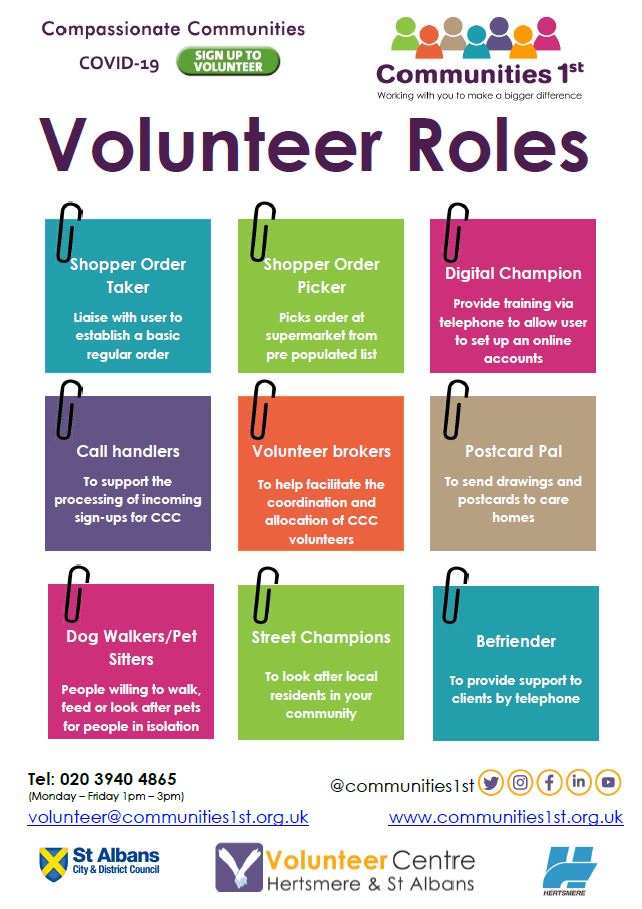
A resilient community is better equipped to handle future disasters. By fostering a culture of preparedness and mutual support, you can help build a stronger, more connected neighborhood.
Conduct Regular Drills
Regular drills help keep everyone prepared and can identify potential weaknesses in your community plan. Make these a routine part of community life.
Educate and Train
Offer workshops and training sessions on topics like first aid, emergency preparedness, and disaster response. The more knowledgeable your community, the better.
Foster a Sense of Community
Strengthen community bonds through regular social events, neighborhood meetings, and shared projects. A close-knit community is better equipped to support each other in times of crisis.
Conclusion
Helping your neighbors during a disaster is not only a moral responsibility but also a practical way to ensure the well-being of your entire community. By preparing beforehand, taking immediate actions during the disaster, and offering both short-term and long-term support, you can make a significant difference. Remember, the strength of any community lies in its members and their willingness to stand by each other in times of need. So, take these steps to heart and be the helping hand your neighbors can rely on when disaster strikes.