
In “Community Preparedness: A Guide For Neighborhood Leaders,” you’ll discover the essential strategies and practical tips needed to ensure your neighborhood is ready for any unexpected challenge. This guide provides actionable steps to enhance communication, foster collaboration, and build resilience within your community. By empowering you with the knowledge and tools to lead effectively, it encourages stronger connections and a collective sense of security, making sure your neighborhood can thrive in the face of adversity. Have you ever wondered what you would do if a disaster struck your neighborhood? Whether it’s a natural disaster, a power outage, or a community crisis, being prepared can make all the difference. Welcome to “Community Preparedness: A Guide For Neighborhood Leaders.” This guide is crafted to help you become a beacon of resilience and resourcefulness in your community.

Table of Contents
Understanding Community Preparedness
What is Community Preparedness?
Community preparedness involves planning and organizing efforts aimed at mitigating the impact of emergencies and disasters within a community. It ensures that residents are not only aware of potential emergencies but also equipped to handle them. By fostering a culture of preparedness, you create a safety net that benefits everyone in your neighborhood.
Why is Community Preparedness Important?
Preparedness can save lives, reduce harm, and accelerate the recovery process. A well-prepared community is less vulnerable and better positioned to cope with different types of emergencies. You play a vital role in making sure your neighborhood is ready to handle whatever comes its way.
Steps for Neighborhood Leaders
Assess the Risks
Identify Threats and Hazards
Start by understanding the types of disasters that could potentially impact your neighborhood. Different areas face different risks:
| Type of Disaster | Examples |
|---|---|
| Natural | Earthquakes, Hurricanes, Tornadoes, Floods |
| Technological | Power Outages, Industrial Accidents |
| Human-Caused | Terrorism, Cyber Attacks, Vandalism |
Once you’ve identified the possible risks, share this information with your community to raise awareness.
Conduct a Community Assessment
Understanding your community’s specific needs is crucial. Find out:
- How many elderly residents live alone?
- Are there residents with disabilities?
- What languages are spoken in your community?
- Are there any vital infrastructures, like hospitals or shelters?
By gathering this data, you can tailor your preparedness plans to meet your community’s unique needs.
Build a Preparedness Team
Assemble a Diverse Group
Your team should include people with various skills and experiences. Consider including:
- Medical professionals
- Local business owners
- Teachers and educators
- Faith leaders
- Emergency responders
A diverse team brings a wealth of perspectives and resources, making your preparedness efforts more effective.
Develop a Preparedness Plan
Set Clear Goals
Define what you want to achieve. These goals could range from ensuring every home has an emergency kit to establishing a neighborhood communication network.
Create an Emergency Communication Plan
An effective communication plan ensures everyone knows where to turn for information before, during, and after an incident. This could involve:
- Creating a phone tree
- Utilizing social media platforms
- Establishing a neighborhood hotline
Make sure the communication methods are accessible to everyone in the community.
Organize Training and Drills
Schedule Regular Training
Training helps residents understand what to do during an emergency. Organize workshops on:
- First aid and CPR
- Fire safety
- Utility control (gas, water, electricity)
Conduct Mock Drills
Drills familiarize residents with emergency procedures and help identify areas for improvement. Consider scenarios like:
- Evacuation routes
- Communication during a power outage
- Shelter-in-place procedures
Maintain and Update Plans
Review Annually
Emergency plans should be living documents that evolve with your community. Set a schedule to review and update plans at least once a year.
Incorporate Lessons Learned
After every drill or actual event, conduct a debrief with your team to discuss what went well and what could be improved.

Resources and Tools
Emergency Kits
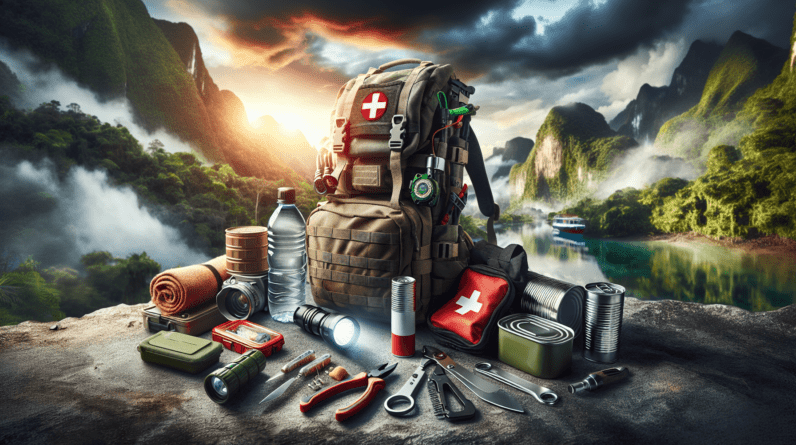
Make sure every household has an emergency kit. Essential items include:
| Item | Description |
|---|---|
| Water | One gallon per person per day |
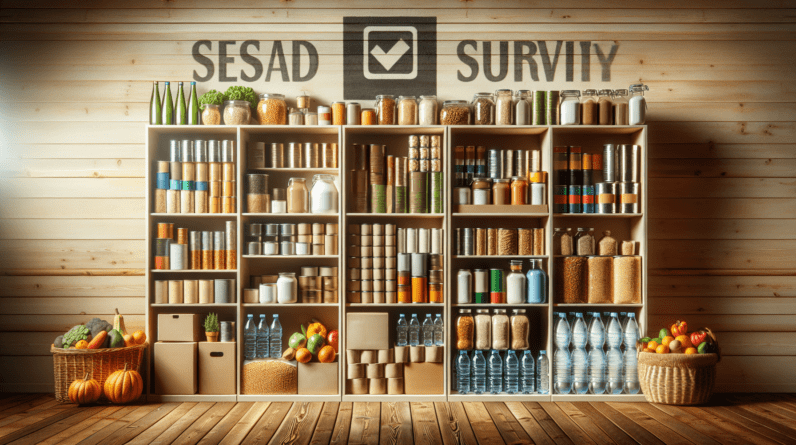
| Non-perishable food | At least a three-day supply |
| Flashlight and Batteries | For light during power outages |
| First-aid kit | Basic medical supplies |
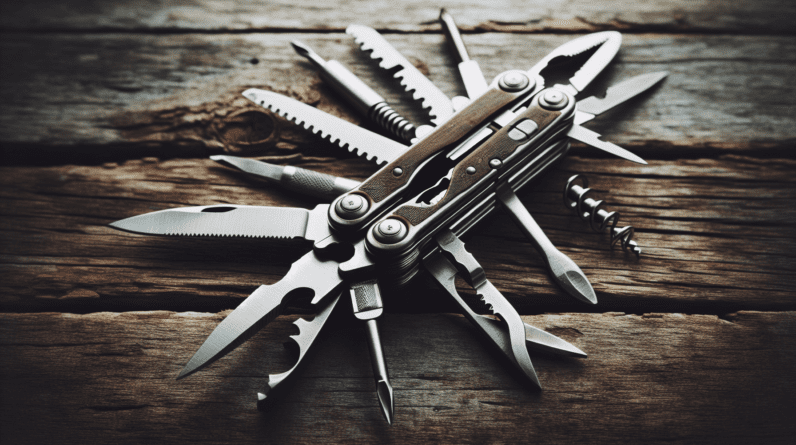
| Multi-tool | Multi-functional utility tool |
| Emergency blanket | Provide warmth |
Community Communication Platforms
Utilize modern technology to keep everyone informed. Consider platforms like:
- Nextdoor: A social networking service specifically for neighborhoods.
- GroupMe: A mobile group messaging app.
- WhatsApp: For quick and reliable messaging.
Partner with Local Authorities
Build Relationships with First Responders
Establish connections with local police, fire departments, and emergency medical services. These relationships can provide crucial support and information during a disaster.
Attend Local Emergency Management Meetings
Stay informed about county or city-wide emergency plans. Your insights can represent your community’s needs and improve larger preparedness efforts.
Case Studies: Successful Community Preparedness Initiatives
Case Study 1: Hurricane Response Team
In a coastal town, a Hurricane Response Team was formed after a particularly destructive storm. The team focused on:
- Early Warning Systems: Installed more robust sirens and collaborated with meteorologists for timely updates.
- Evacuation Plans: Marked clear evacuation routes and organized transportation for residents without vehicles.
- Post-disaster Support: Set up a temporary shelter and collaborated with local businesses to provide essential supplies.
Results
The community saw quicker evacuations, reduced injuries, and efficient distribution of aid in subsequent storms.
Case Study 2: Earthquake Preparedness Group
In a city prone to earthquakes, a neighborhood formed an Earthquake Preparedness Group. Their initiatives included:
- Education Workshops: Lectures on earthquake safety and how to secure homes.
- Emergency Kit Distribution: Provided free kits to low-income households.
- Building Inspections: Partnered with local engineers to assess and retrofit older buildings.
Results
The neighborhood experienced a higher rate of disaster preparedness and saw fewer incidents of structural damage and injury during earthquakes.
Case Study 3: Community Watch for Human-Caused Threats
A neighborhood plagued by vandalism started a Community Watch program. They focused on:
- Regular Patrols: Volunteers took turns patrolling the streets.
- Surveillance Cameras: Installed cameras at key points.
- Community Awareness: Hosted meetings to keep everyone informed about safety practices and recent incidents.
Results
The area saw a significant drop in crime rates and an increase in residents’ sense of security.

Challenges and How to Overcome Them
Resistance to Participation
Not everyone will be eager to join in. Some common reasons include:
- Lack of Time: People have busy lives.
- Apathy: Some may not believe an emergency will happen.
- Fear: Others might be afraid or overwhelmed by the idea of preparing for disasters.
Solutions
- Flexible Involvement: Offer different levels of participation to accommodate people’s schedules.
- Educate: Use facts and real-life stories to illustrate the importance of preparedness.
- Create a Positive Environment: Make meetings and drills engaging and community-oriented.
Language Barriers
If your community is multilingual, ensure that everyone receives information in a language they understand.
Solutions
- Translation Services: Partner with local translators or use apps to ensure information is accessible.
- Bilingual Materials: Distribute brochures and plans in the primary languages spoken in your community.
Funding
Preparedness efforts often require financial resources.
Solutions
- Grants: Apply for local, state, or federal grants.
- Fundraising: Organize community events to raise funds.
- Partnerships: Collaborate with local businesses for sponsorships or donations.
The Role of Technology
Mobile Apps for Emergency Alerts
Several apps can provide real-time updates and notifications:
- FEMA App: Offers weather alerts and safety tips.
- Red Cross Emergency App: Provides disaster-specific information and emergency alerts.
- Weather Underground: Real-time weather updates and alerts.
Social Media
Platforms like Facebook and Twitter can be used to quickly disseminate information and updates during emergencies. Set up a neighborhood account for such purposes.
Online Training
Offer online training sessions to make it easier for busy residents to participate. Platforms like Zoom or Google Meet can be useful for this.

Long-Term Sustainability
Foster a Preparedness Culture
Incorporate preparedness into the community’s daily life. Celebrate “Preparedness Month” and host regular meetings and events to keep the momentum going.
Share Success Stories
Highlighting the benefits and successes of your preparedness initiatives can motivate others to get involved. Consider sharing stories in newsletters, local newspapers, or social media.
Evaluate and Adapt
Consistent evaluation ensures that your preparedness strategies stay effective. Adapt to new threats and technologies as they emerge.
Final Thoughts
As a neighborhood leader, your role in community preparedness is invaluable. By assessing risks, building a solid team, developing and maintaining a thorough preparedness plan, and leveraging modern technology and resources, you are setting your community up for resilience in the face of any disaster. Remember, preparedness is a continuous journey, not a one-time effort. Keep your community engaged and informed, and you’ll collectively build a safer, stronger environment for everyone.
The power of community lies in its people—thank you for stepping up to lead and protect yours. Keep this guide handy, refer to it often, and share it with your neighbors. Together, you’re more than prepared; you’re resilient and ready for anything.