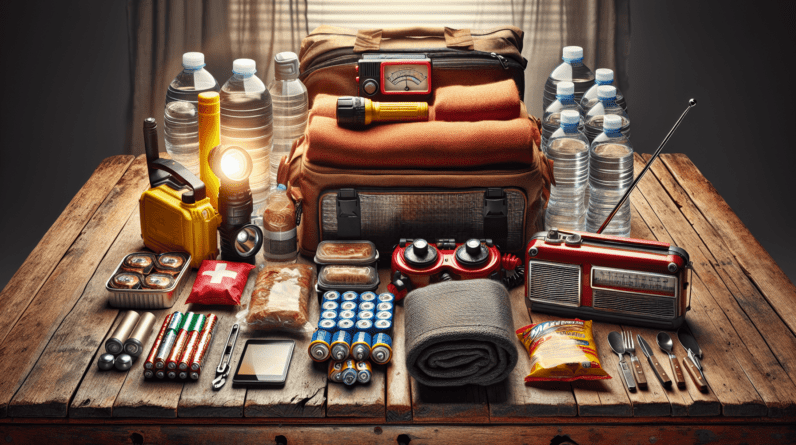
Dive into an enlightening exploration with “Community Preparedness: Common Misconceptions Debunked.” This piece takes you on a journey through myths and misunderstandings that often hinder effective community readiness. Empower yourself with accurate knowledge, and discover how collective efforts can create a resilient society. Whether you’re leading neighborhood initiatives or just curious about enhancing your local safety measures, this article will provide you with invaluable insights to debunk misconceptions and foster a more prepared community. Have you ever thought about how prepared your community is for emergencies or disasters? You might feel pretty confident that your community has everything under control or may have concerns and questions that you are unsure about. Either way, understanding the truth about community preparedness is pivotal for ensuring everyone’s safety when faced with unexpected events. In this article, “Community Preparedness: Common Misconceptions Debunked,” we’ll walk through some widely-held beliefs and misconceptions surrounding community preparedness and offer insights that could make all the difference.
Table of Contents
Your Role in Community Preparedness
Active Participation is Key
One of the biggest misconceptions is that community preparedness solely falls on emergency services and local government. However, your active participation plays a central role. Think of preparedness as a collective effort—every individual, family, and local group contributes to the resilience and readiness of the entire community.
Sharing Information and Resources
You might believe that just having your own household prepared is enough. While personal preparedness is crucial, sharing information and resources with your neighbors amplifies the community’s readiness. Create networks where you can exchange tips, resources, and updates.
Misconception #1: “We Are Not at Risk”
Understanding Risk Factors
Believing that your community isn’t at risk for natural disasters or emergencies can be a dangerous misconception. Every location has its unique set of vulnerabilities, whether it’s susceptibility to floods, earthquakes, fires, or human-made hazards. Understanding and acknowledging these risks is the first step in preparing adequately.
Local vs. Regional Risks
It’s also important to distinguish between local and regional risks. For example, your neighborhood might be less prone to flooding but could still suffer from power outages during regional storms. Engaging with local studies or reports on potential hazards can enhance your awareness and readiness.
Misconception #2: “Emergency Services Will Always Be Available”
Resource Limitations
While it’s comforting to believe that emergency services will always be available during disasters, the reality is that these services can be overwhelmed quickly. There may be delays or even situations where immediate help isn’t accessible. You need to be prepared to manage on your own for the initial critical hours or even days after an emergency.
| Resource | Normal Conditions | During Emergency |
|---|---|---|
| Police | Quick response | Delayed/Overwhelmed |
| Medical | Immediate care | Short-staffed/Limited access |
| Fire | Immediate response | Prioritized/Scarce |
Self-Sufficiency
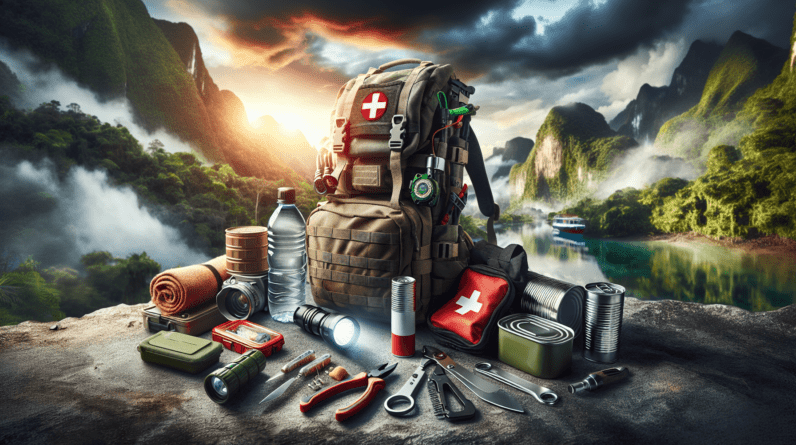
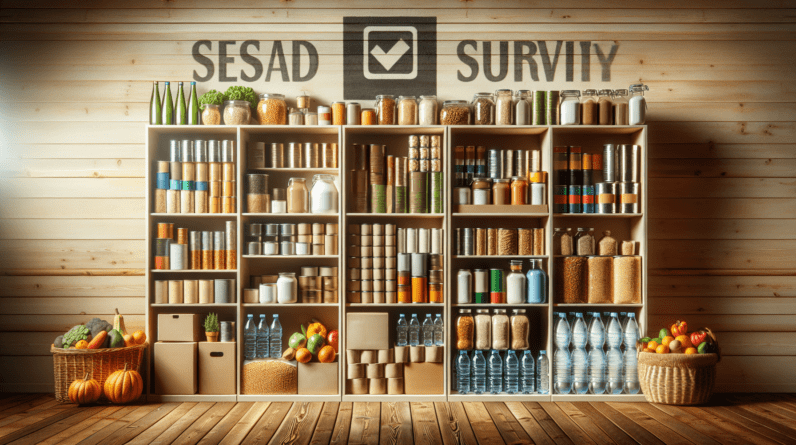
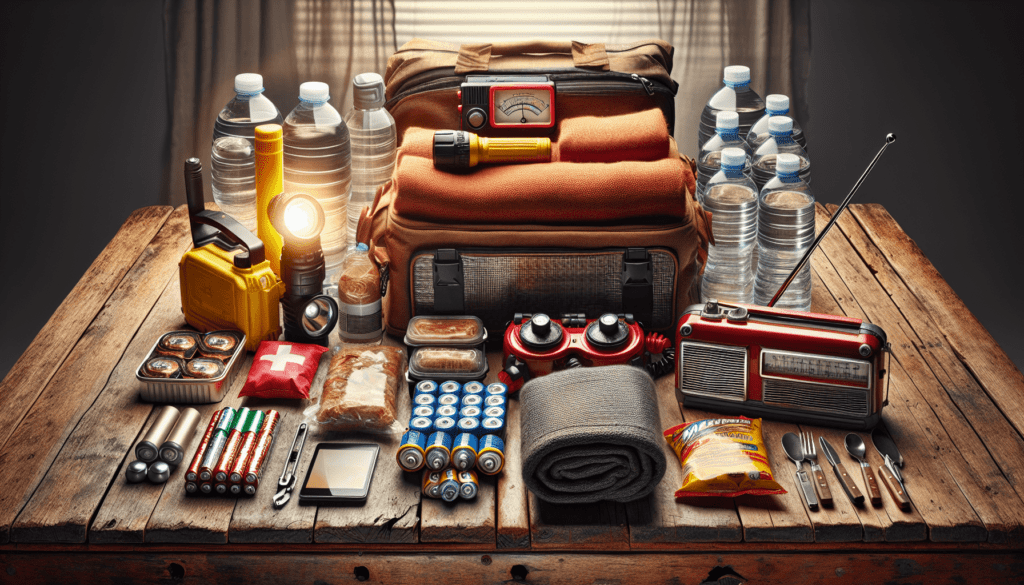
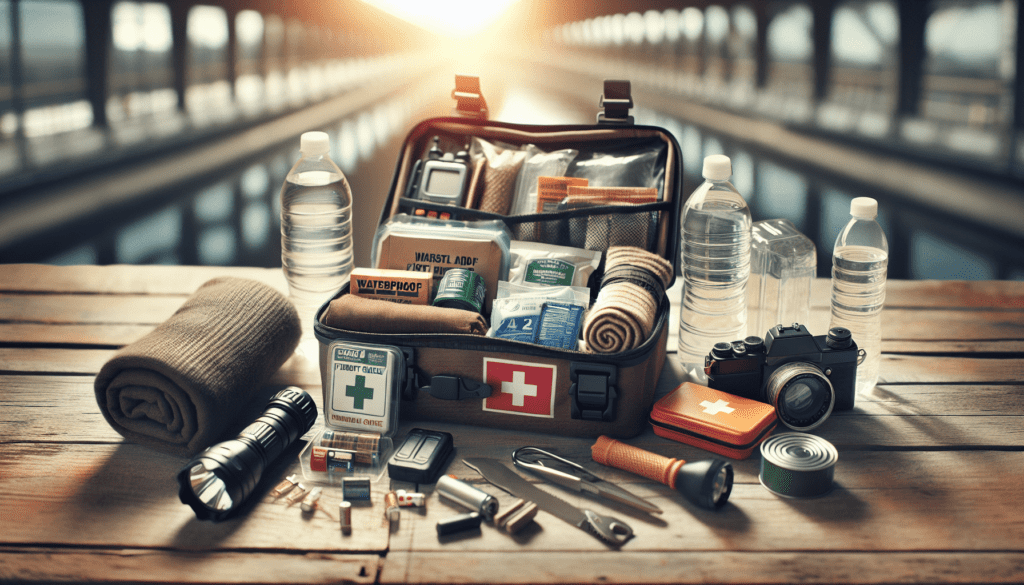
Being self-sufficient includes having basic supplies like food, water, and medical kits. Familiarize yourself with first aid procedures and have contingency plans in place for family and vulnerable community members.
Misconception #3: “Preparedness is Expensive”
Cost-Effective Strategies
Many people think that being prepared requires significant financial investment. However, simple cost-effective strategies can make a big difference. For example, you can start by gradually building a supply kit or sharing resources among neighbors, which distributes costs more manageably.
DIY Preparedness Projects
There are several do-it-yourself projects that can enhance your preparedness. Creating emergency kits from household items, building rainwater collection systems, and learning basic skills like fire safety and first aid are all ways to ensure that you are prepared without breaking the bank.
Misconception #4: “One Size Fits All Preparedness Plans”
Tailored Preparedness Plans
Another common misconception is believing in a one-size-fits-all approach to emergency plans. Each community and individual has unique needs and vulnerabilities. Tailoring your preparedness plan to fit your specific situation will yield the best results.
| Category | Unique Considerations |
|---|---|
| Families with children | Extra food, child-specific medication |
| Elderly residents | Special medical supplies, mobility aids |
| Pet owners | Pet food, pet-specific emergency plans |
Inclusivity in Planning
Prepare to accommodate everyone, including those with special needs or disabilities. Assess the needs of your community and plan accordingly, ensuring that preparedness is inclusive and comprehensive.
Misconception #5: “Technology Will Always Be Reliable”
Technology Failures
In our tech-savvy world, it’s easy to believe that technology will always be there to guide us through emergencies. But power outages, network failures, and equipment malfunctions are common during disasters. Relying solely on technology can put you at a greater risk if these systems fail.
Importance of Manual Methods
Having manual backups is critical. Keep physical copies of emergency contacts, maps, and important documents. Learn how to use basic, non-electronic tools like compasses and signal whistles.
Misconception #6: “Communications Will Always Work”
Communication Breakdowns
Similar to technology, communication networks are vulnerable during disasters. Cell towers, internet connections, and even landlines can become unreliable. You need alternative communication plans.
Establishing Communication Channels
Use walkie-talkies, CB radios, and other non-reliant communication devices. Establish predetermined meeting spots and check-in times with family members and neighbors.
Misconception #7: “Regular Drills are Unnecessary”
Importance of Drills
You may think that regular emergency drills are unnecessary or redundant, but practicing these drills can significantly improve your response during real emergencies. These rehearsals help you identify weaknesses in your plan and provide you with the muscle memory to react appropriately.
Community Involvement in Drills
Aside from individual drills, community-wide practices are crucial. Participate in local emergency drills and encourage others to do the same. This will strengthen the overall preparedness and ensure smoother coordination during a real event.
Misconception #8: “Preparedness Ends When the Emergency is Over”
Recovery Phase
Preparedness doesn’t end when the immediate threat disappears. The recovery phase is just as critical. If you focus only on immediate response, you might overlook the long-term impacts and necessary recovery efforts.
Ensuring Long-term Stability
Plan for the aftermath by considering aspects like mental health support, rebuilding infrastructure, and reestablishing regular routines. Ensure that your community has a solid plan for long-term recovery and resilience.
Misconception #9: “Young and Healthy Individuals Don’t Need to Prepare”
Everyone’s Role in Preparedness
The belief that young and healthy individuals don’t need to prepare can leave a significant gap in community readiness. Emergencies impact everyone, and assuming that you’re exempt because of your age or health status is risky.
Contribution to Community Resilience
Young and healthy members can play crucial roles in supporting vulnerable groups, from helping with physical tasks to providing emotional comfort and first aid. Your preparedness enhances not only your safety but also the resilience of those around you.
Misconception #10: “Government will Handle Everything”
Government Role
While local and federal governments do play important roles in disaster management, counting on them to handle everything is unrealistic. Their resources and reach are limited, and they often focus on broader, large-scale responses.
Grassroots Efforts
Your grassroots efforts can make a significant difference. From community blood drives to setting up local volunteer groups, your actions fill in the gaps and reinforce official efforts.
The Role of Education in Community Preparedness
Spreading Awareness
Education is a powerful tool in debunking misconceptions and promoting proactive measures. Attend workshops, seminars, and training programs to better understand the risks and preparedness strategies.
Involving Schools and Businesses
Involving schools and local businesses in preparedness activities can create a culture of readiness. Educational programs can instill the principles of preparedness in students, and businesses can provide resources and services during emergencies.
Leveraging Community Networks
Strengthening Bonds
Fostering a strong sense of community is one of the best ways to ensure collective preparedness. Get to know your neighbors, establish community groups, and maintain open lines of communication.
Creating Community Resources
Consider forming community groups dedicated to preparedness. These groups can maintain shared resources such as common medical supplies, tools, and emergency shelters, creating a safety net for everyone involved.
Taking Action: Next Steps
Assess Current Preparedness
Begin by assessing your current level of preparedness. What do you already have in place? What are the risks specific to your area?
Develop a Plan
Work on creating a comprehensive, personalized preparedness plan. This should include emergency contacts, evacuation routes, supply lists, and communication strategies.
Continuous Improvement
Preparedness is not a one-time task—it’s ongoing. Regularly review and update your plans, stay informed about new risks, and consistently practice drills.
Conclusion
Community preparedness is a multifaceted, ongoing process that thrives on collective effort, continuous learning, and proactive measures. By debunking these common misconceptions, you can adopt a more realistic and effective approach to preparedness. Remember, the safety and resilience of your community start with individual actions and the willingness to collaborate and contribute. Let’s move forward towards a safer, well-prepared future together.