In “Key Steps To Building A Resilient Community,” you’ll learn how to foster a sense of unity, adaptability, and strength within your neighborhood. This article outlines essential strategies for creating a supportive environment where everyone can thrive, from fortifying local resources to encouraging active participation and collaboration among community members. By implementing these key steps, you can help build a resilient community that’s prepared to face challenges and grow stronger together. Have you ever wondered what makes a community thrive even in the face of adversity? Ensuring the resilience of your community is essential for its long-term sustainability. Building a resilient community isn’t just about bouncing back after a disaster; it’s about creating systems and relationships that support and uplift everyone, regardless of what challenges arise.
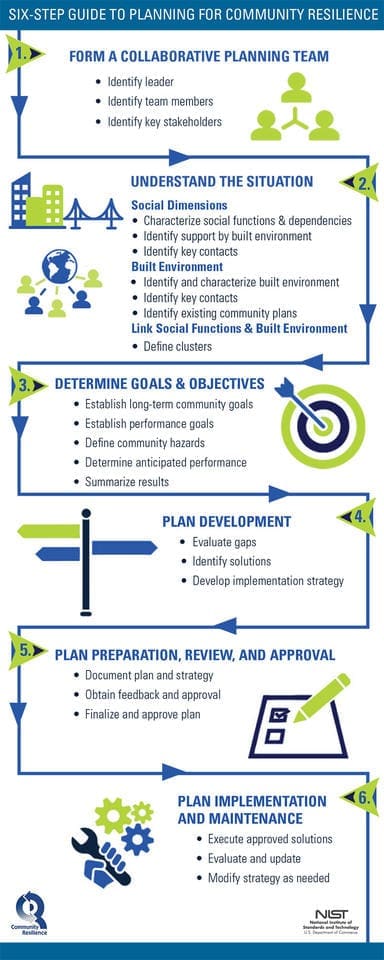
Table of Contents
Understanding Community Resilience
What Is Community Resilience?
Community resilience refers to the ability of a community to withstand, adapt, and recover from various stresses and shocks, such as natural disasters, economic crises, or social disruptions. It’s about having the social, economic, and environmental systems in place that allow everyone to prosper, even during tough times.
Why Is Community Resilience Important?
Resilience isn’t just necessary for surviving adverse conditions, but also for thriving. A resilient community is one that supports its members’ well-being, sustains economic vitality, and maintains crucial ecological balances, ensuring a high quality of life for current and future generations.
Key Steps to Building a Resilient Community
Building resilience involves various interconnected elements. Here are some key steps to pursue:
1. Foster Strong Relationships
Relationships form the basis of any resilient community. By fostering strong connections among community members, you create a support network that can be relied upon in times of need.
Actions You Can Take:
- Organize community events and gatherings.
- Encourage collaboration among local organizations, schools, and businesses.
- Promote inclusive practices that ensure everyone feels welcome and valued.
2. Strengthen Local Economies
A diversified and robust local economy is pivotal for community resilience. Economic diversity can reduce the impacts of global market fluctuations and provide stable employment opportunities.
Actions You Can Take:
- Support local businesses and initiatives.
- Provide resources and training for small business development.
- Encourage social enterprises and co-operatives.
3. Promote Environmental Sustainability
Resilience and sustainability go hand in hand. By taking care of the environment, you ensure that natural resources remain plentiful and hazards such as climate change are mitigated.
Actions You Can Take:
- Implement recycling and composting programs.
- Encourage green building practices and renewable energy sources.
- Preserve green spaces and promote biodiversity.
4. Ensure Public Health and Safety
A community’s health is a fundamental pillar of resilience. Ensuring access to healthcare and creating a safe environment are critical steps.
Actions You Can Take:
- Establish community health programs and wellness initiatives.
- Support mental health resources.
- Develop emergency response plans and regular safety drills.
5. Empower Through Education
Education equips community members with the knowledge and skills they need to face challenges and seize opportunities.
Actions You Can Take:
- Offer educational workshops and vocational training.
- Support local schools and after-school programs.
- Promote lifelong learning opportunities for all ages.
Case Studies: Bringing Resilience to Life
To understand these principles in action, let’s look at a few examples of communities that have successfully built resilience.
Example 1: Greensburg, Kansas, USA
Greensburg was nearly destroyed by a tornado in 2007. However, instead of merely rebuilding, the community decided to build back better. They emphasized green and sustainable initiatives, becoming a model for eco-friendly rebuilding.
Key Actions:
- Adoption of green building codes.
- Investment in wind energy.
- Community-driven rebuilding efforts.
Example 2: Kerala, India
The Indian state of Kerala has garnered attention for its robust public health system, which proved critical during the COVID-19 pandemic. Their proactive and inclusive health policies were key to their resilience.
Key Actions:
- Strong investment in public healthcare.
- Community participation in health initiatives.
- High literacy rates and health education.
Creating an Action Plan for Your Community
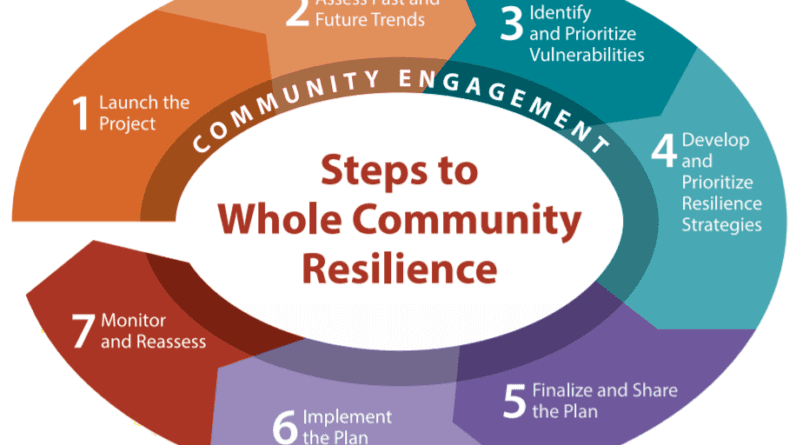
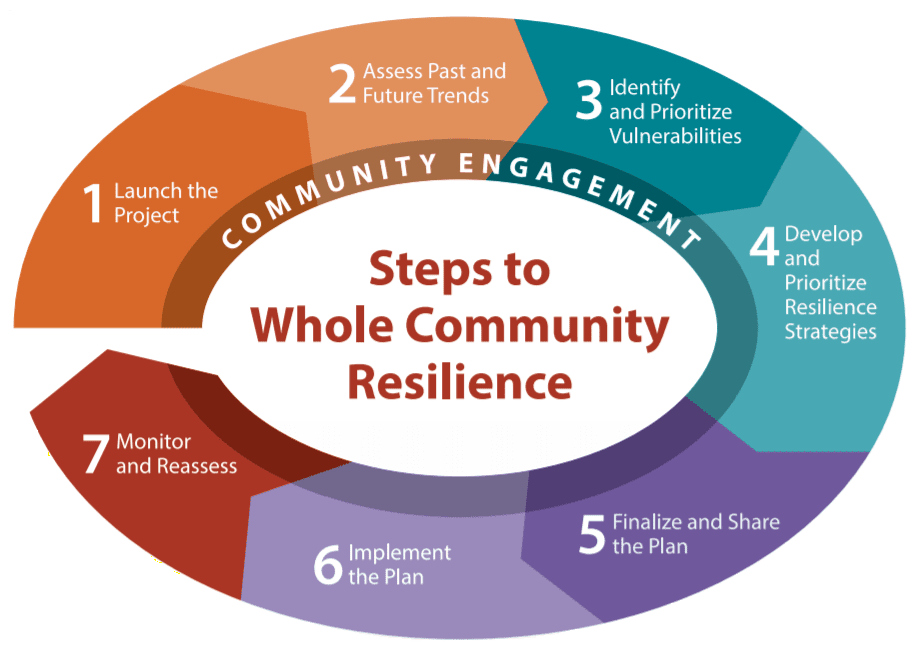
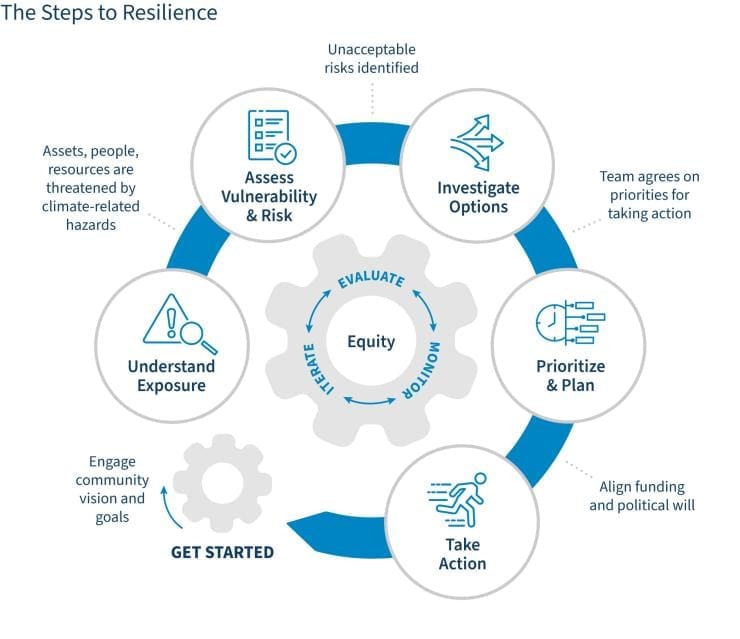
Step 1: Assess Your Community’s Needs
The first step is to understand where your community currently stands. Conduct surveys and gather data to identify strengths, weaknesses, opportunities, and threats.
Step 2: Engage Community Members
Engagement is crucial for identifying priorities and ensuring that efforts are inclusive. Hold town hall meetings, forums, and workshops to gather input and build consensus.
Step 3: Develop a Vision and Goals
Outline a clear vision for what a resilient community looks like. Set realistic, measurable goals and timelines to guide your actions.
Step 4: Implement Initiatives
Put your plan into action. Whether it’s starting a community garden, launching a local business incubator, or establishing a disaster preparedness program, take concrete steps to activate your initiatives.
Step 5: Monitor and Adapt
Regularly review your progress and be willing to adapt your strategies. What works today might need tweaking tomorrow, so remain flexible and responsive to feedback and changing conditions.
The Importance of Collaboration
Collaboration is the glue that binds community resilience efforts. When everyone—from local government agencies to individual residents—works together, the combined efforts multiply.
Partner with Local Organizations
Local non-profits, community groups, and businesses can provide resources, expertise, and support to drive initiatives forward.
Engage Government Agencies
Your local government can play a pivotal role by providing funding, infrastructure, and policy support.
Involve Educational Institutions
Schools and universities can offer valuable resources, research, and volunteer support to community projects.
Overcoming Challenges in Building Resilience
Building a resilient community isn’t without its challenges, but with preparation and persistence, these can be managed.
Common Obstacles
- Lack of Funding: Securing sufficient resources can be difficult.
- Resistance to Change: Some community members may be resistant to new initiatives.
- Coordination Issues: Aligning the efforts of diverse stakeholders can be complex.
Strategies to Overcome
- Seek Grants and Donations: Explore various funding sources, including grants, donations, and crowdfunding.
- Communicate Benefits Clearly: Highlight the potential benefits of change to gain community buy-in.
- Establish Clear Roles: Define roles and responsibilities to ensure smooth coordination.
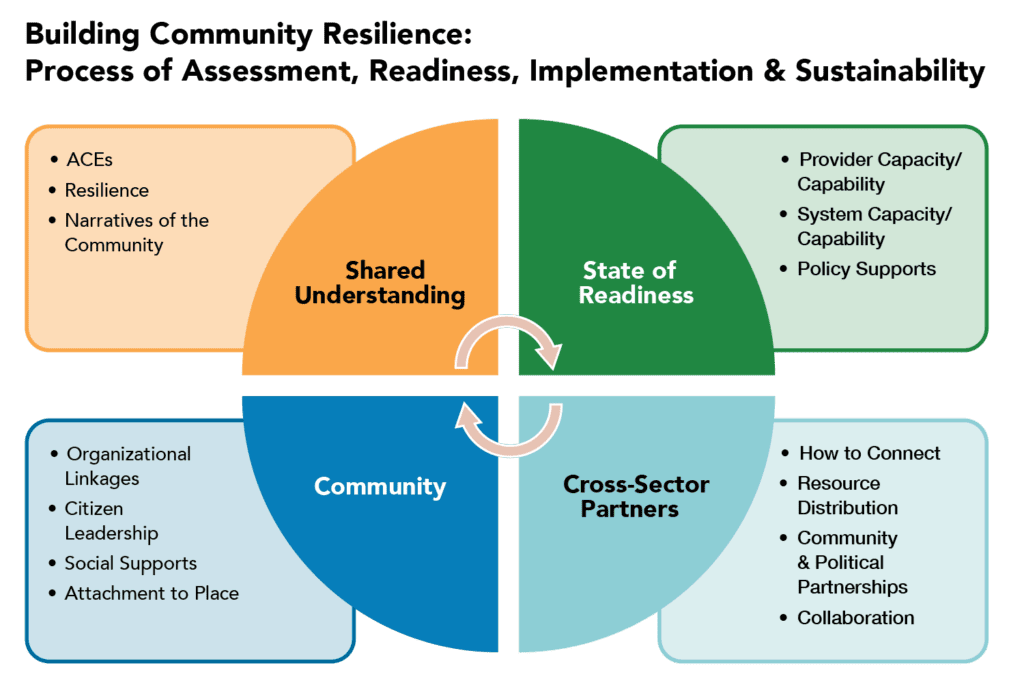
Measuring Progress and Impact
To ensure your efforts are bearing fruit, it’s essential to measure your progress and impact.
Key Metrics
- Economic Indicators: Measure local business growth, employment rates, and economic diversity.
- Environmental Indicators: Track waste reduction, energy usage, and green space preservation.
- Social Indicators: Monitor health outcomes, educational attainment, and community participation.
Regular Reporting
Create regular reports to share your findings with the community. Transparency fosters trust and keeps everyone informed about the progress being made.
The Role of Technology in Community Resilience
Technology can play a transformative role in building resilient communities. From communication tools to data analytics, modern tech offers numerous ways to enhance your efforts.
Communication Platforms
Platforms like social media, community websites, and mobile apps can help you communicate effectively with community members.
Data Collection and Analysis
Utilize data analytics tools to gain insights into community needs and measure the impact of your initiatives.
Telehealth Services
Telehealth can expand access to healthcare, particularly in underserved areas, making it an invaluable tool in promoting public health.
Conclusion
Building a resilient community is an ongoing journey that requires dedication, collaboration, and innovation. By fostering strong relationships, strengthening local economies, promoting environmental sustainability, ensuring public health and safety, and empowering through education, you set the foundation for a robust and resilient community.
Remember, the essence of resilience lies in unity. When you come together with your neighbors, local organizations, and leaders, you create a tapestry of support that can weather any storm. Start small, dream big, and take proactive steps—your community will thank you.